





What is my Eye Colour?
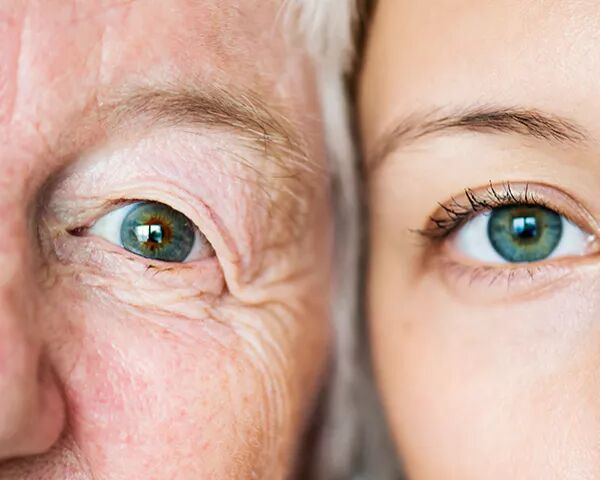
Did you know blue eyes are not actually blue? A blue iris does not contain any blue pigment. They appear blue for the same reason the sky does.
Light entering the eye is scattered through the iris and perceived as blue because blue is the shortest wavelength of visible light; therefore, more of it is reflected out.
Blue eyes are more commonly found in individuals of European descent, and it’s estimated that only 8-10% of the world’s population has them, making them a relatively rare trait.
What determines the colour of the eyes?
When speaking about eye colour, we are referring to the colour of each eye’s iris, a double-layered ring of muscle tissue around the pupil that controls how much light enters the eye.
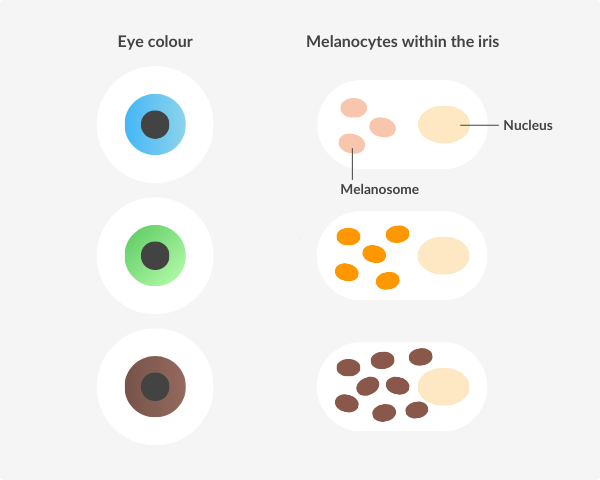
The colour of the iris is primarily determined by the amount and type of pigment called melanin.
The amount of melanin in the iris influences how light is absorbed and reflected, resulting in different eye colours. Melanin is stored in structures called melanosomes within the iris.
Eyes with minimal pigment in fewer melanosomes, like blue eyes, appear lighter. In contrast, brown eyes have a higher density of melanin distributed across many melanosomes, giving them their rich, dark colour.
Green and hazel eyes fall in between, with moderate melanin levels and melanosome numbers.
Genetics is the second factor that determines eye colour. The eye colour genes inherited from your parents impact how much melanin is present in your eyes and how it’s distributed.
That said, genetic inheritance is hard to parse, and a trait can skip generations. For example, having two blue eyed parents isn’t enough to guarantee blue eyes.
Although extensive research has been done on the matter, the genetics of eye colour are highly complex. As is often the case with genetics, it is an object of continuous study in our attempt to understand human DNA.
Eye colours
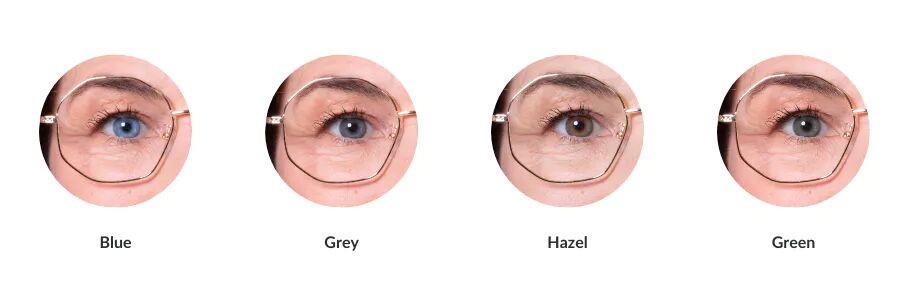
Blue
Did you know blue eyes are not actually blue? A blue iris does not contain any blue pigment. They appear blue for the same reason the sky does.
Light entering the eye is scattered through the iris and perceived as blue because blue is the shortest wavelength of visible light; therefore, more of it is reflected out.
Blue eyes are more commonly found in individuals of European descent, and it’s estimated that only 8-10% of the world’s population has them, making them a relatively rare trait.
DID YOU KNOW?
People with blue eyes share a common ancestor who lived around 6,000 to 10,000 years ago, making blue eyes a relatively “new” human trait.
Grey
At first glance, grey-coloured eyes may appear blue, with gold and brown flecks. Similar to blue eyes, they have little melanin in the iris, but since the lack of pigmentation is more uniform, the colour is more transparent and lighter.
Gray eyes can be particularly striking because they can shift in tone depending on the lighting, clothing and surrounding colours. However, they are even less common than blue eyes, being found in only about 3% of the world’s population.
Hazel
Hazel eyes are characterised as a mixture of green, brown and gold. They can appear to change colours with lighting, ranging from a light brown to a greenish hue.
Hazel eyes occur due to the presence of a moderate amount of melanin and multiple pigment layers in the iris.
They make up about 5% of the global population, though they are relatively more common in individuals of European, Middle Eastern and North African descent.
Green
Green is the rarest colour on this list because it only occurs when a specific set of genes is combined with a specific amount of melanin.

They are most commonly found in people of European descent and account for only around 2% of the world’s population.
Brown
Brown eyes are the most common eye colour, with approximately 79% of eyes falling in this category. This colour is a result of higher levels of melanin in the iris, which absorbs more light and gives the eye a rich and dark appearance.
The abundance of melanin in brown eyes can help protect the retina from harmful UV light, making it slightly more resistant to sun damage.
Fun facts about eye colour
Babies are often born with blue eyes
Even without blue-eyed genes, babies can be born with blue eyes. This can happen due to a lack of pigment at birth, having been in a dark environment until then, or both. As the baby grows and is exposed to more light, their eye colour can change.

Although the final color generally appears within 6 to 12 months of age, they can still change until they’re about three years old.
Some conditions can lead to even rarer eye colours
Although we know that green and grey eye colours are particularly rare, certain genetic variations and medical conditions can produce even rarer. For instance, amber eyes can result from a high concentration of the pigment lipochrome.
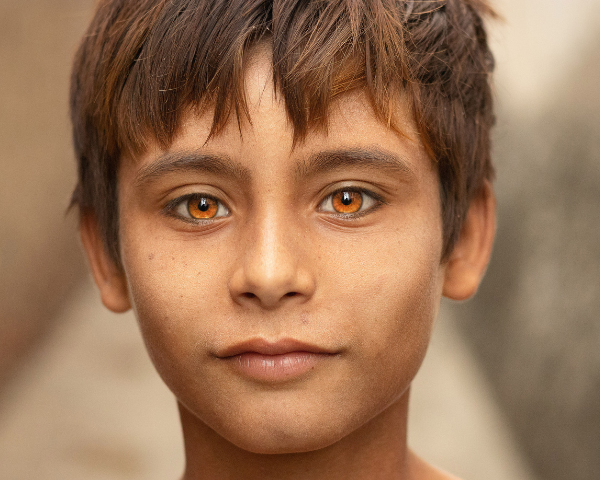
Similarly, pink eyes can result from minimal pigmentation and visible blood vessels, and conditions like heterochromia can even lead to multi-toned eyes.
Sensitivity to light can depend on your eye colour
Due to lower levels of pigmentation, people with light-coloured eyes, such as blue or green eyes, may be more sensitive to light than those with darker ones, such as dark brown eyes.
When light reaches a darker-coloured iris, the higher pigment density can help block the light rays. When it reaches a lighter iris, more light passes through the back of the eye, which can cause discomfort and damage.
Eye colour can change
We know why this happens with babies, but what about adults?
There are many interesting things about the human eye. Colour variation is just one of them.
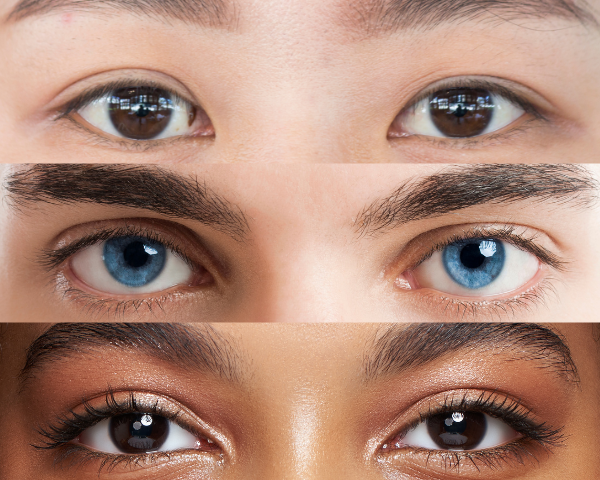
Although rare, there is a slight chance that eye colour will change in adults. Some reasons may be medical, such as eye injury and medication side effects. Other reasons can also cause this, such as long-term sun exposure, aging and more.
All eyes are unique
Did you know that your eye colour is as unique as your fingerprint?
Beyond its practical role in vision, eye colour carries a history shaped by genetics, ancestry and individuality.
Whether it is the darkest shades of brown, a vivid green, or a sparkling light blue, it is an essential part of you and a window to the traits that make you one of a kind.
That said, if you want to have a different eye colour, you can always wear coloured contacts. These are available in a variety of colours with and without prescription.
Just remember that coloured contacts with vision correction are medical devices, so you will first need a valid prescription from a licensed optician.