










Anti-Reflective Lens Coating
Improve your eyewear aesthetic
Anti-Reflective Lens Coating
What is an anti-reflective coating?
of your lenses by allowing more light to pass through them.
What is an anti-reflective coating?
Anti-reflective (AR) coating reduces the amount of reflection on the surface of your lenses by allowing more light to pass through them.
How does anti-reflective coating work?
Anti-reflective coatings consist of tiny metallic oxide layers, each affecting different light wavelengths.
They allow nearly 100% of light to pass through the lenses, rather than being reflected. Each of our AR coatings has a subtle green tint.
How does anti-reflective coating work?
Anti-reflective coatings consist of tiny metallic oxide layers, each affecting different light wavelengths.
They allow nearly 100% of light to pass through the lenses, rather than being reflected. Each of our AR coatings has a subtle green tint.
Benefits of anti-reflective glasses coating
Your eyes are more visible behind your lenses, improving your eyewear aesthetic.
Visual acuity is improved as more light can reach your eyes.
Less reflection makes it easier to see small letters and patterns, reducing eye strain.
Benefits of anti-reflective glasses coating
Your eyes are more visible behind your lenses, improving your eyewear aesthetic.
Visual acuity is improved as more light can reach your eyes.
Less reflection makes it easier to see small letters and patterns, reducing eye strain.
What lens packages include an anti-reflective coating?
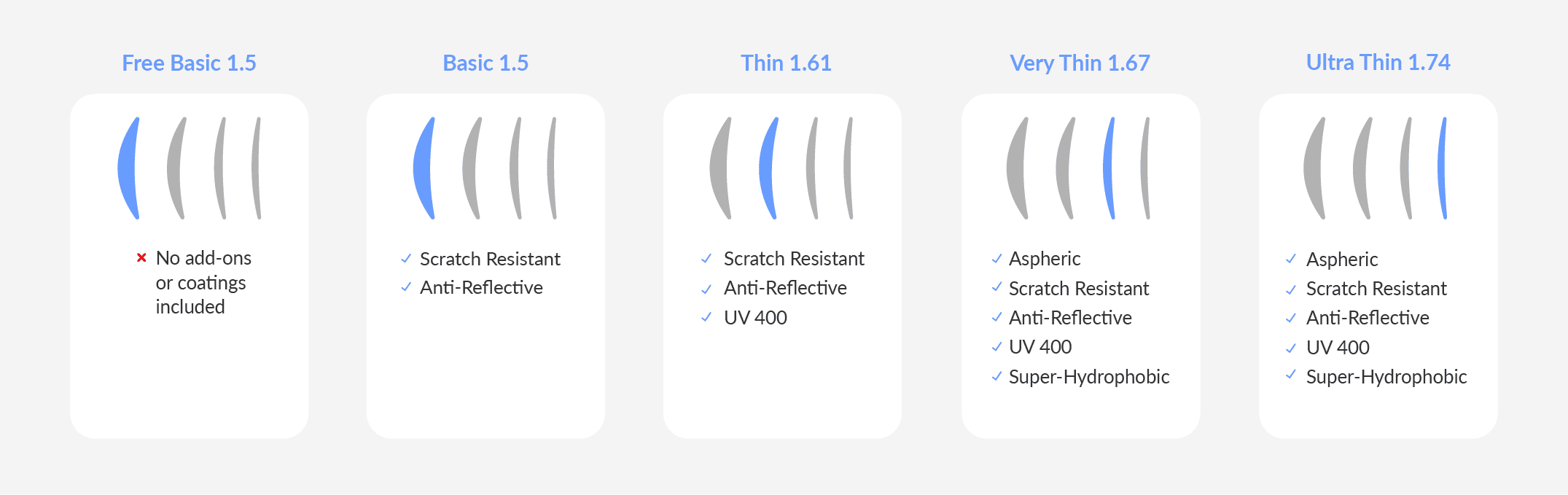
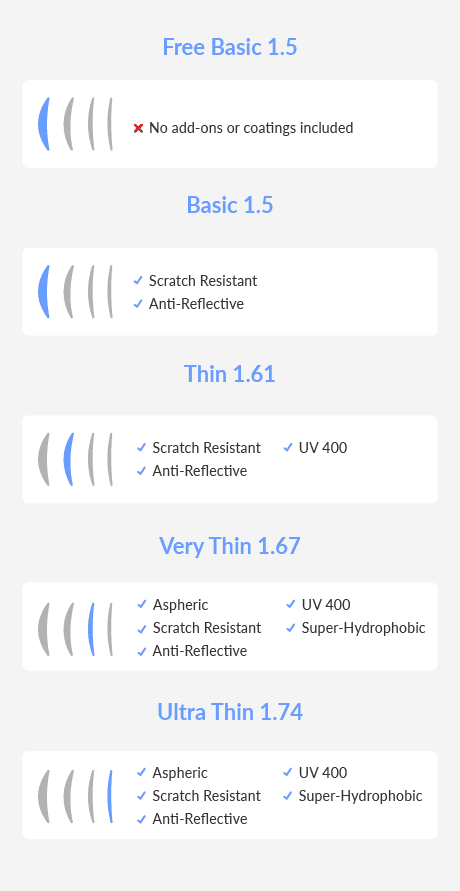
Most of the lens packages we offer include an anti-reflective coating. When purchasing, select the lens that best fits your prescription needs and lifestyle, and look out for the anti-reflective feature.
What lens packages include an anti-reflective coating?
Most of the lens packages we offer include an anti-reflective coating. When purchasing, select the lens that best fits your prescription needs and lifestyle, and look out for the anti-reflective feature.
How to add anti-reflective coating to your lenses
Our optical experts
Maria Horan FBDO
Dispensing optician
Maria holds a BSc Honours in Ophthalmic Dispensing and has over 17 years of optical experience.

Sharlene McKeeman FBDO
Dispensing optician
Sharlene is a qualified dispensing optician and member of the Association of British Dispensing Opticians.

Neggie Saadatpay-Wright
Dispensing Optician
Neggie Saadatpay-Wright is an ABO-certified optician with over 17 years of experience in the optical industry.

Dheeran Makadia
Optometrist
Dheeran is a qualified optometrist, a member of Optometry Australia, and registered with AHPRA.
Speak to a certified optician
Got questions about eye care? We’re here to help.
For guidance you can trust, ask our in-house opticians.
Speak to a
certified optician
Got questions about eye care?
We’re here to help. For guidance you can trust, ask our in-house opticians.
FAQs
Anti-reflective coating minimises screen glare and reduces eye strain caused by digital devices. By enhancing visual clarity, it offers users a more comfortable digital experience, especially during prolonged usage.
Anti-reflective coating can be applied to most lens types, including single-vision, bifocal, and progressive lenses.
Clean them using a soft, lint-free cloth and a mild lens cleaner. Avoid abrasive materials and excessive rubbing. Always store in a protective case to prevent scratches and damage.
High-index lenses are thinner but naturally reflect more light than standard lenses. An anti-reflective coating is especially beneficial for high-index lenses to counteract this increased reflectivity, ensuring optimal clarity.
Yes, we at SmartBuyGlasses provide anti-reflective coatings for both prescription and non-prescription lenses, ensuring maximum visual comfort and clarity for all users.